
menu
BlackBelt Body Mechanics:
Martial Skills for Control, Compliance & Restraint PLUS Hojojutsu ‘Hayanawa’
(Fast Rope Capture Techniques)
BlackBelt Body Mechanics:
Martial Skills for Control, Compliance & Restraint
PLUS Hojojutsu ‘Hayanawa’
(Fast Rope Capture Techniques)
BlackBelt Body Mechanics:
Martial Skills for Control, Compliance & Restraint
PLUS Hojojutsu ‘Hayanawa’
(Fast Rope Capture Techniques)
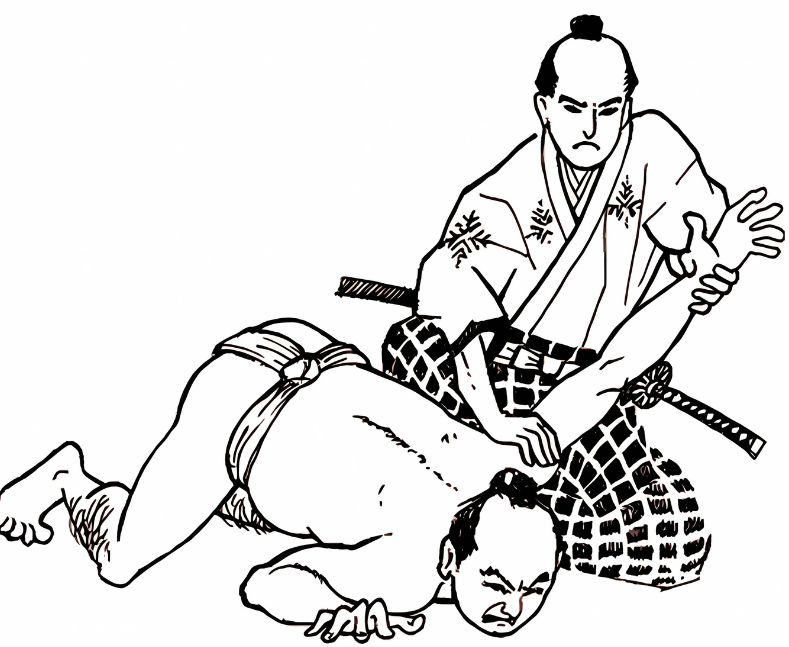
This playshop is for you if you want to:
Minimise risk of accidental injury, helping you relax, deepen trust and create greater connection
Exploring body control, joint manipulation and fast rope capture - with a little resistance … playfight … compliance dynamics - can be alot of fun … but can also be very high risk for injury.
Speed x Adrenaline x Competition x Body Manipulation x Rope is an equation with many risk multipliers - especially without any form of training and practice at a slower pace - so understanding and practicing fundamental martial arts body control principles slowly, step by step, under experienced guidance is essential.
High Risk vs Safety
Exploring body control, joint manipulation and fast rope capture - with a little resistance … playfight … compliance dynamics - can be alot of fun … but can also be very high risk for injury.
Speed x Adrenaline x Competition x Body Manipulation x Rope is an equation with many risk multipliers - especially without any form of training and practice at a slower pace - so understanding and practicing fundamental martial arts body control principles slowly, step by step, under experienced guidance is essential.
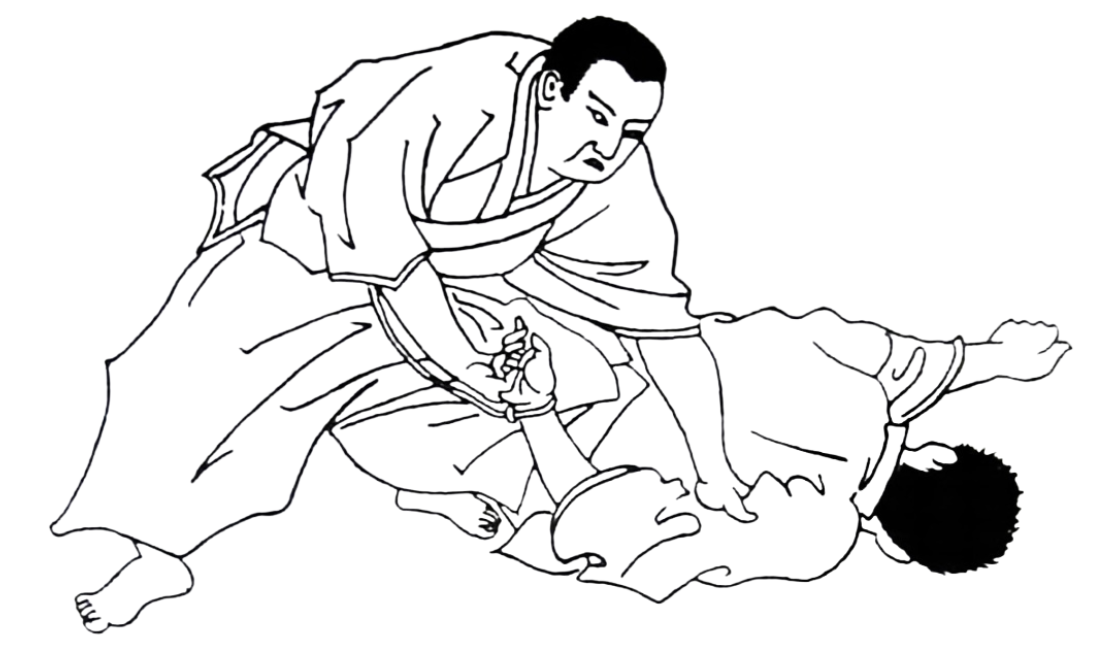
Who is this for?
Best suited to established couples/rope partners who are already accustomed to tying/playing with each other.
This playshop is both for beginners, and for those who want to build upon current skills.
Overview
In this introductory training you’ll safely practice and explore basic principles from:
Taijutsu 体術 (literally ‘body technique’ or ‘body skill’)
How to use natural, intentional movement and physiology for relaxed, effortless body control
Ninjutsu 忍術 (‘stealth technique’ or ‘hidden art’)
Utilise unconventional strategy, tactics and deception for compliance, and overcoming resistance.
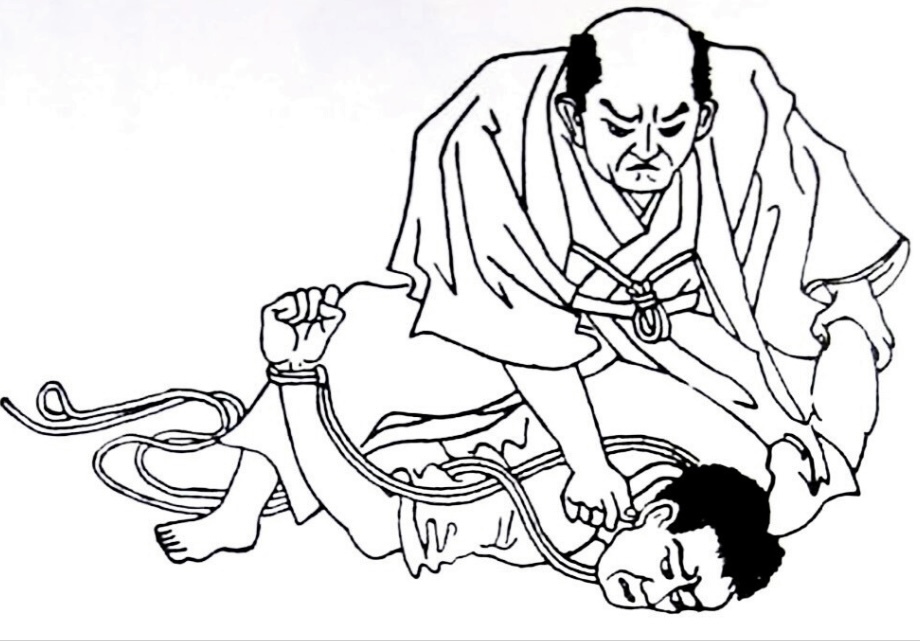
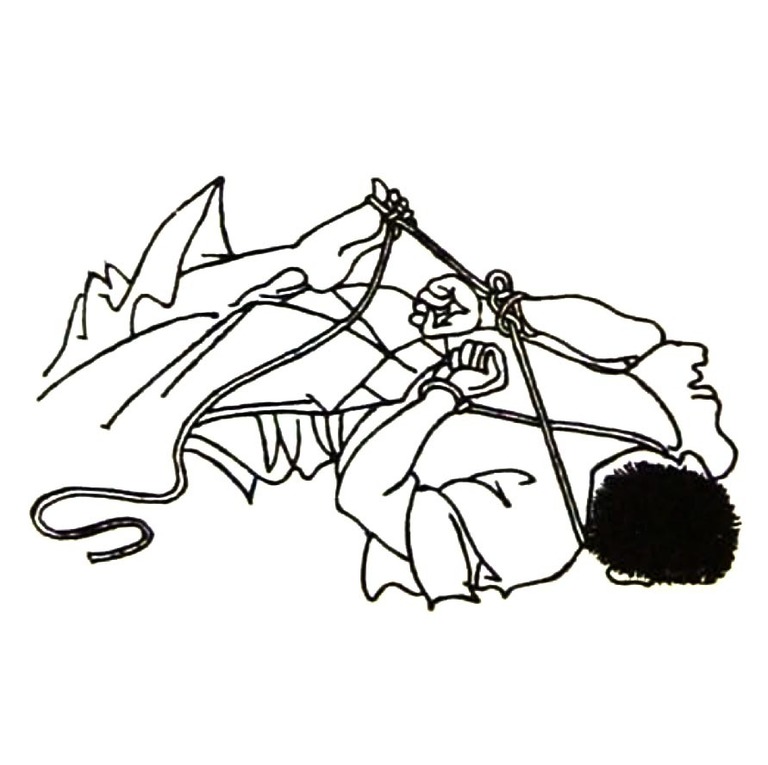
Hōjōjutsu 捕縄術 (‘capturing / restraining technique’ or art)
‘Hayanawa’ fast rope capture, using loops, wraps and pull throughs for quick and simple restraint.
Plus… Muto Dori 無刀捕 (‘catching a sword with empty hands’)
Part of this training will involve a brief introduction to basic knife defence techniques as a way of learning foundational movement, relaxation and body control principles … and ‘cos it’s a lot of fun!!
Conscious Body Control
For those not so interested in ‘play fighting’, consciously applying these principles makes for safer, more confident body control and manipulation during dynamic rope play, while reducing the risk and fear of injury.
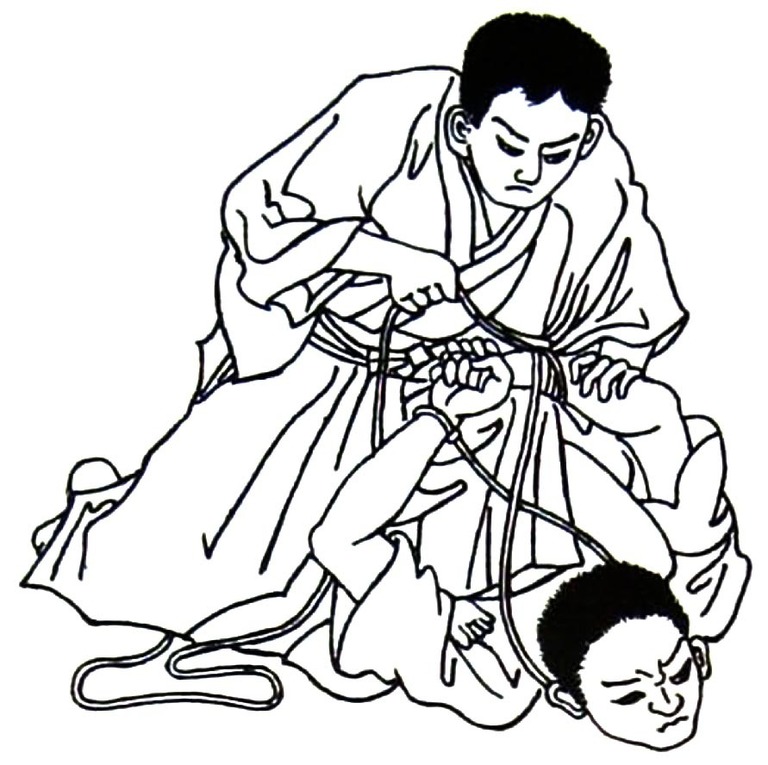
1: You’ll first practice becoming more conscious of your own body, - for weight shifts, balance, coordination, self-control - tracking how you constantly make subtle adjustments as you move.
2: We’ll then explore some partner practices, learning how bodies interact together, and how subtle, effortless changes in position, posture and even focus affect balance, weight distribution and movement.
3: From here we learn about the flexibility and limits of joints and muscle structure in different bodies, and how this can help maximise control and body manipulation while reducing potential risk and injury.
All of this leads to applying martial principles for both ‘tori’ (the partner who applies a technique) and ‘uke’ (the partner who receives a technique) in dynamic play, which may also involve some form of ‘play fighting’, struggle or resistance.
In dojo practice, ‘uke’s’ role is to help ‘tori’ learn and practice techniques, while ‘tori’ slowly increases intensity, speed and power as their skill improves.
‘Tori’s’ responsibility is to take care of ‘uke’, and to apply techniques effectively yet consciously, to minimise risk of injury.
And then there’s rope …
In hojojutsu techniques (martial rope capture and restraint) most folks try and apply ‘fast rope’ without first controlling and restraining their partner's body in some way to ensure there is little or no ‘resistance’.
Enforcing some degree of compliance and body restraint before attempting any kind of tie makes a big difference when wanting to apply fast rope.
This key point is often overlooked in exploring ‘hayanawa’.
Step by step …
1: You’ll first practice becoming more conscious of your own body, - for weight shifts, balance, coordination, self-control - tracking how you constantly make subtle adjustments as you move.
2: We’ll then explore some partner practices, learning how bodies interact together, and how subtle, effortless changes in position, posture and even focus affect balance, weight distribution and movement.
3: From here we learn about the flexibility and limits of joints and muscle structure in different bodies, and how this can help maximise control and body manipulation while reducing potential risk and injury.
Dojo Training
All of this leads to applying martial principles for both ‘tori’ (the partner who applies a technique) and ‘uke’ (the partner who receives a technique) in dynamic play, which may also involve some form of ‘play fighting’, struggle or resistance.
In dojo practice, ‘uke’s’ role is to help ‘tori’ learn and practice techniques, while ‘tori’ slowly increases intensity, speed and power as their skill improves.
‘Tori’s’ responsibility is to take care of ‘uke’, and to apply techniques effectively yet consciously, to minimise risk of injury.
And then there’s rope …
Resistance and Restraint
In hojojutsu techniques (martial rope capture and restraint) most folks try and apply ‘fast rope’ without first controlling and restraining their partner's body in some way to ensure there is little or no ‘resistance’.
Enforcing some degree of compliance and body restraint before attempting any kind of tie makes a big difference when wanting to apply fast rope.
This key point is often overlooked in exploring ‘hayanawa’.
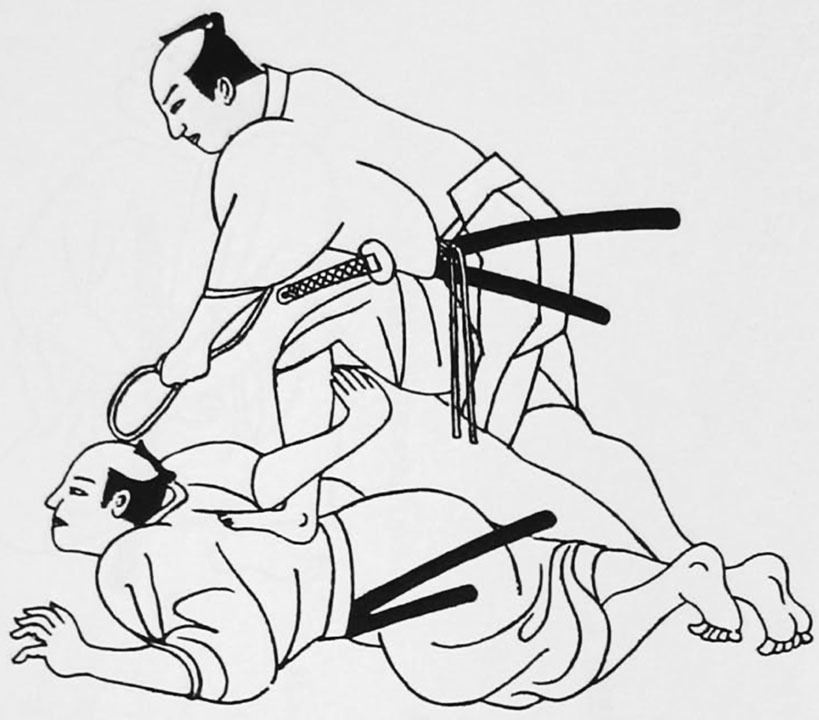
Feeling safer helps both partners relax, deepens trust and creates greater connection.
Training Overview
Safety
Confident, Controlled Body Handling:
Taijutsu 体術
Ninjutsu 忍術
Hojojutsu 捕縄術
mo latin
Your Facilitator
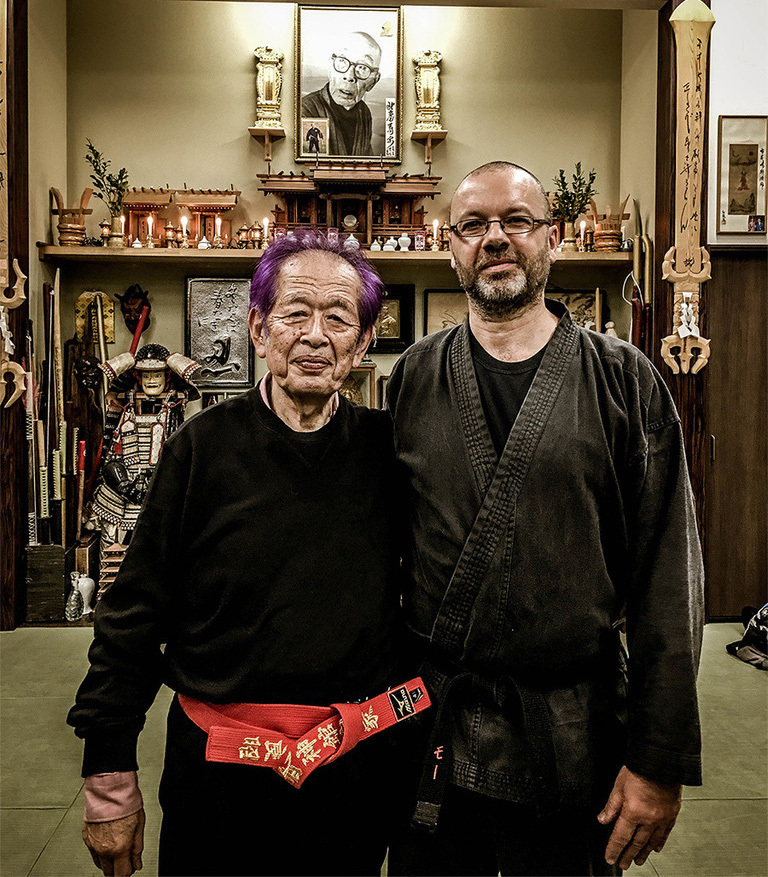
Training under 86yr old Sōke Dr. Masaaki Hatsumi, 34th Grandmaster of Togakure-ryu Ninjutsu, at the Bujinkan Honbu (headquarters) in Noda, Japan
Training under 86yr old Sōke Dr. Masaaki Hatsumi,
34th Grandmaster of Togakure-ryu Ninjutsu,
at the Bujinkan Honbu (headquarters) in Noda, Japan
eveNT DETAILS
WHERE
Micro Studios, Studio 004, Cobbold Works, NW10 9ST
WHEN
March 22, 2026
Sunday | 11am - 5pm GMT
TICKETS
£80 per person
£65 low income
FREQUENTLY ASKED QUESTION
No previous experience necessary. You will learn and practice basic skills slowly and safely at your own pace.
Wear loose clothing you can move freely in, and don’t mind getting a little stretched if pulled …
Bring 2-3 x 8m lengths of rope, plus a couple of shorter lengths if you have them (2m and 4m)
You may want to bring a packed lunch, as well as snacks and plenty of water to keep hydrated
When training in something physical like martial arts, or when playing with ropes, there is always a risk of injury. The aim of this class is to minimise risk and injury through slow, controlled, conscious practice. We will be practising on soft mats which also minimise impact and the potential for injury.
RACK - Risk Aware Consensual Kink
PRICK - Personal Responsibility, Informed, Consensual Kink
When training in something physical like martial arts, or when playing with ropes, there is always a risk of injury. The aim of this class is to minimise risk and injury through slow, controlled, conscious practice. We will be practising on soft mats which also minimise impact and the potential for injury.
RACK - Risk Aware Consensual Kink
PRICK - Personal Responsibility, Informed, Consensual Kink
Any Questions?
Click here to contact Mo